Keeping your furnace in good condition can help your home stay comfortable during colder months and may reduce the risk of unexpected breakdowns. While some maintenance tasks are simple enough for homeowners to handle, others should be left to trained professionals who understand heating systems and their safety requirements.
Regular maintenance can also make it easier to catch small issues before they develop into larger problems. If your system is making unusual noises, struggling to heat the home, or showing other signs of trouble, professional furnace repair may be necessary.
Replace the Air Filter Regularly
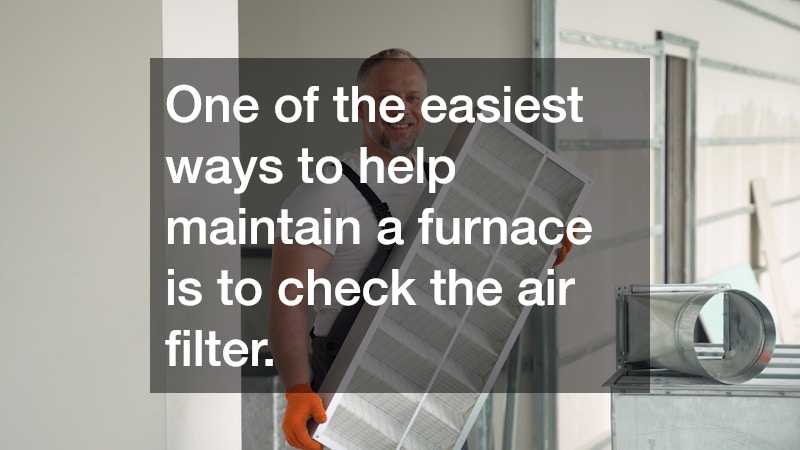
One of the easiest ways to help maintain a furnace is to check the air filter.
A dirty filter can restrict airflow and make the heating system work harder to move warm air throughout the home. Over time, this can affect comfort and overall system performance.
How often the filter should be replaced depends on the type of filter, the number of people and pets in the home, and how frequently the system operates.
Check the manufacturer’s recommendations and inspect the filter periodically. If it appears heavily coated with dust, it is probably time to replace it.
Keep Vents and Registers Clear
Furniture, rugs, curtains, and boxes can sometimes block heating vents without homeowners noticing.
Blocked vents can make it more difficult for warm air to circulate properly through the house. This may lead to uneven temperatures and unnecessary strain on the system.
Walk through the home and make sure supply registers and return vents are open and unobstructed.
If airflow remains weak even after vents are cleared, a furnace repair professional may need to inspect the system for another issue.
Pay Attention to Unusual Furnace Noises
Furnaces normally make some noise when starting, running, and shutting down. However, new or unusually loud sounds can indicate a problem.
Banging, rattling, grinding, squealing, or repeated clicking should not be ignored. These noises may indicate loose components, mechanical wear, airflow problems, or other issues.
If a sound continues or becomes worse, schedule an inspection instead of waiting for the furnace to stop working completely.
Catching mechanical problems early may make them easier to address.
Keep the Area Around the Furnace Clear
The space around your furnace should remain clean and accessible.
Avoid storing boxes, clothing, cleaning products, paint, or other household items directly next to heating equipment. Flammable materials should especially be kept away from the furnace.
A clear area also makes it easier for technicians to access the system during maintenance or furnace repair visits.
Periodically remove dust and clutter from the surrounding utility area, but avoid opening or cleaning internal furnace components unless you know they are intended for homeowner maintenance.
Check the Thermostat
Sometimes a heating problem may be related to the thermostat rather than the furnace itself.
Make sure the thermostat is set to heat and that the desired temperature is higher than the current room temperature. If it uses replaceable batteries, check whether they need to be changed.
Pay attention to whether the furnace responds when you adjust the thermostat.
If temperatures throughout the home do not match the thermostat setting, there could be an issue involving the thermostat, furnace, ductwork, or airflow.
Watch for Short Cycling
Short cycling occurs when a furnace starts and stops repeatedly without completing a normal heating cycle.
Several conditions can contribute to this problem, including restricted airflow, thermostat issues, overheating, or mechanical problems.
Frequent cycling can increase wear on furnace components and may prevent the home from heating evenly.
If your system repeatedly turns on for a short time and then shuts off, contact a professional for furnace repair rather than continuing to operate it without knowing the cause.
Inspect Visible Ductwork
Ductwork carries heated air from the furnace to different rooms.
If sections become loose, damaged, or disconnected, heated air may escape before reaching the living space. This can reduce comfort and make the furnace operate longer.
If ductwork is visible in your basement, attic, or utility area, occasionally look for obvious gaps or damage.
Avoid attempting major duct modifications without knowing the correct materials or installation methods. A professional can inspect areas that are difficult to access.
Keep Return Air Areas Clean
Return vents pull household air back into the HVAC system so it can be heated again.
Dust, pet hair, and debris can accumulate around these areas.
Vacuuming around accessible return grilles can help keep them clean. Be careful not to damage the grille or push objects into the ductwork.
If returns are repeatedly becoming heavily coated with debris, it may be worth discussing the issue during a maintenance appointment.
Schedule Routine Professional Maintenance
Even if the furnace appears to be working properly, periodic professional maintenance can be useful.
A technician can inspect components that homeowners generally cannot evaluate safely. Depending on the furnace, this may include burners, electrical connections, safety controls, motors, ignition components, and other internal parts.
Professional maintenance can also help identify wear before it results in a complete heating failure.
Scheduling service before the coldest part of winter can give homeowners more time to address necessary furnace repair.
Do Not Ignore Burning or Unusual Odors
A brief dusty smell when the furnace first runs after sitting unused for months can sometimes occur as dust burns off.
However, persistent burning smells, electrical odors, or other unusual odors should be investigated.
If you smell gas or suspect a serious safety issue, leave the area and follow appropriate emergency procedures rather than trying to inspect the furnace yourself.
Heating systems involve fuel, electricity, and high temperatures, making certain problems inappropriate for DIY troubleshooting.
Monitor Your Energy Bills
A sudden increase in heating costs can sometimes signal that the furnace is operating less efficiently.
Of course, utility bills can rise because of colder weather, changing rates, or household habits. However, higher energy use combined with longer furnace cycles or reduced comfort may justify an inspection.
Dirty filters, airflow restrictions, worn components, or other issues can cause a furnace to work harder.
A professional can evaluate whether maintenance or furnace repair may improve system performance.
Check for Uneven Heating
Pay attention to whether some rooms are consistently much colder than others.
Uneven heating can result from blocked vents, ductwork problems, insulation issues, thermostat placement, or furnace performance.
Start by checking vents and making sure furniture is not restricting airflow.
If the problem persists, professional troubleshooting can help identify whether the issue involves the furnace itself or another part of the home’s heating system.
Test the Furnace Before Winter
Do not wait until the first freezing day to find out whether your furnace is working correctly.
Run the heating system before temperatures become extremely cold and pay attention to how it starts, sounds, and heats the house.
Testing the furnace early provides time to schedule service if something seems wrong.
It can also help you avoid discovering a major issue during a period when heating contractors may be especially busy.
Know When to Call a Professional
Basic maintenance tasks such as replacing filters, clearing vents, and keeping the furnace area clean can be handled by many homeowners.
Internal repairs are different.
Furnaces can involve electrical systems, gas connections, burners, motors, and other components that require specialized training. Attempting complicated repairs without the right knowledge can create additional damage or safety concerns.
If the furnace repeatedly shuts down, fails to heat, produces unusual odors, or makes concerning noises, professional furnace repair is generally the safer approach.
Keep Maintenance Records
Keep track of filter changes, inspections, repairs, and major component replacements.
These records can help you identify patterns if the furnace begins requiring frequent service.
Maintenance history can also be helpful when deciding whether an aging furnace is still worth repairing or whether replacement should be considered.
Keep warranties, manuals, receipts, and service reports together so they are easy to find.
Make Furnace Maintenance Part of Your Routine
Furnace maintenance does not need to be complicated. Replacing dirty filters, keeping vents clear, monitoring unusual noises, and scheduling professional inspections can go a long way toward supporting reliable operation.
The most important habit is paying attention to changes in how the system performs. Small warning signs can sometimes provide an opportunity to address a problem before the furnace stops working entirely.
When maintenance is no longer enough, experienced furnace repair professionals can diagnose the problem and help restore dependable heat to your home.